Housing and Shared Living
Supported Independent Living (SIL) and Specialist Disability Accommodation (SDA) are different types of NDIS support. SIL relates to help from support workers at home. SDA relates to the specialist home itself. Understanding this distinction can make conversations about moving, sharing a home and organising daily support much clearer.
Start with how you want to live and the help you need throughout the day and night. A property listing or a support package is only useful if it fits your preferences, accessibility needs and individual funding arrangements.
What is Supported Independent Living?
The NDIA describes Supported Independent Living as funding for support workers to help with daily activities at home. It is intended for people with higher support needs who require help or supervision across the day and night. It can include assistance with personal care and everyday tasks, alongside opportunities to build skills.
SIL is not payment for the building, rent or everyday household bills. Sharing a house does not automatically mean SIL is the right support arrangement. Ask which home and living options could meet your needs before committing to a particular model.
What is Specialist Disability Accommodation?
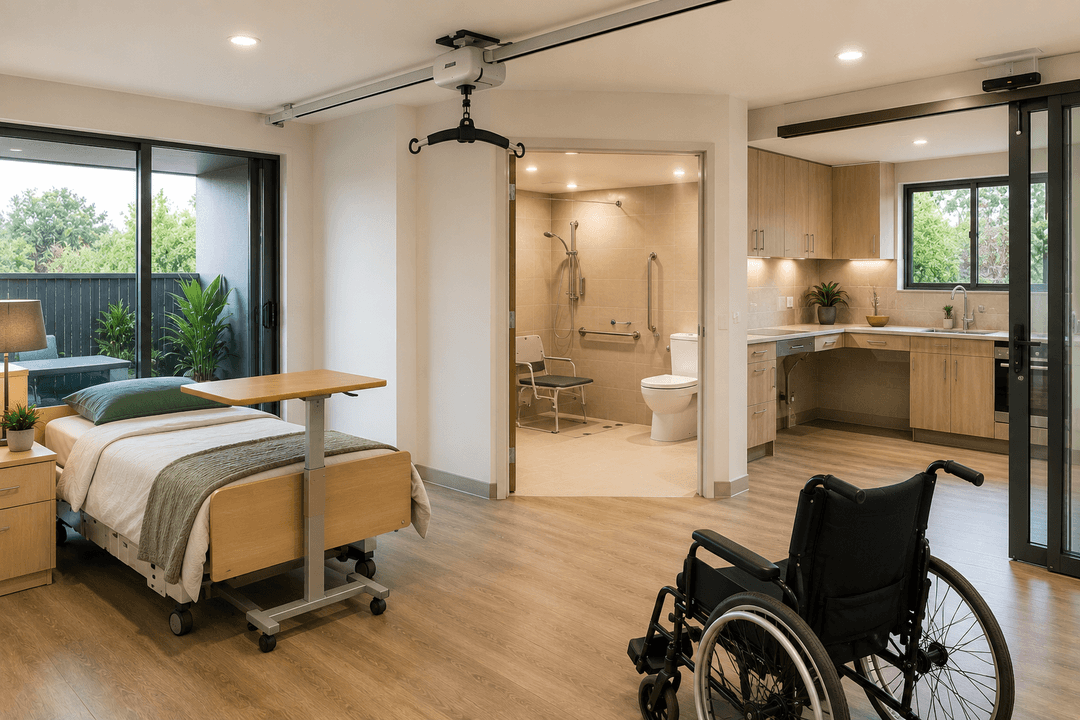
Specialist Disability Accommodation is housing designed for eligible participants with extreme functional impairment or very high support needs. Its physical features can make receiving support and moving around the home easier.
SDA funding does not include the personal assistance delivered by support workers. Residents also make a reasonable rent contribution and pay ordinary living costs. Some people receive both SDA and SIL, but approval for one does not automatically provide the other.
Compare the home and the support separately
During a viewing, take two lists: one about the building and one about the support arrangement. This helps prevent an attractive room from overshadowing practical needs.
- The home: Can you use the entrance, bathroom, kitchen and outdoor space comfortably? Is there room for equipment and visitors?
- The location: Can you get to appointments, shops, work and people who matter to you?
- The people: How are potential housemates introduced, and how are preferences about quiet time, meals and visitors considered?
- The support: Who assists you, at what times, and how are overnight needs and staff changes managed?
- Your choice: What happens if you want to change a support provider or move?
Check the full cost and agreement
Ask for a written breakdown that separates accommodation charges, disability supports and ordinary living expenses. Review the tenancy or occupancy agreement alongside the support service agreement. They describe different responsibilities, even when organisations work closely together.
Clarify who handles maintenance, how complaints are raised and what notice is required to leave. If something is unclear, ask for an explanation in your preferred format and involve an advocate or trusted person if you want support reviewing it.
Prepare for a move at your own pace
A useful transition plan identifies essential routines, equipment, medication arrangements where relevant, communication preferences and contacts. Arrange visits that help you understand the space and meet the people involved. Agree how concerns will be reviewed after the move, including who will listen to feedback privately.
The NDIA’s home and living guide explains the broader options. Our accommodation and tenancy guide can help you prepare practical questions about finding and settling into a home.
Questions participants and families often ask
Does an accessible property guarantee SDA funding?
No. A suitable-looking property does not establish individual eligibility or confirm that funding is in a participant’s plan. Check the funding decision and the property’s suitability before making commitments.
Where can I discuss daily support at home?
Explore Harissons Disability Care’ daily tasks and shared living support and SDA service information, then contact the team to discuss your requirements, current availability and next steps.
Information checked 4 September 2026.